Stress used to be short-term: a threat, a sprint, a resolution. Modern stress is different - constant, low-grade, and invisible. Emails, deadlines, screens, poor sleep. The body responds by staying stuck in fight-or-flight mode, and eventually it breaks: fatigue, poor sleep, low motivation, weakened immunity.
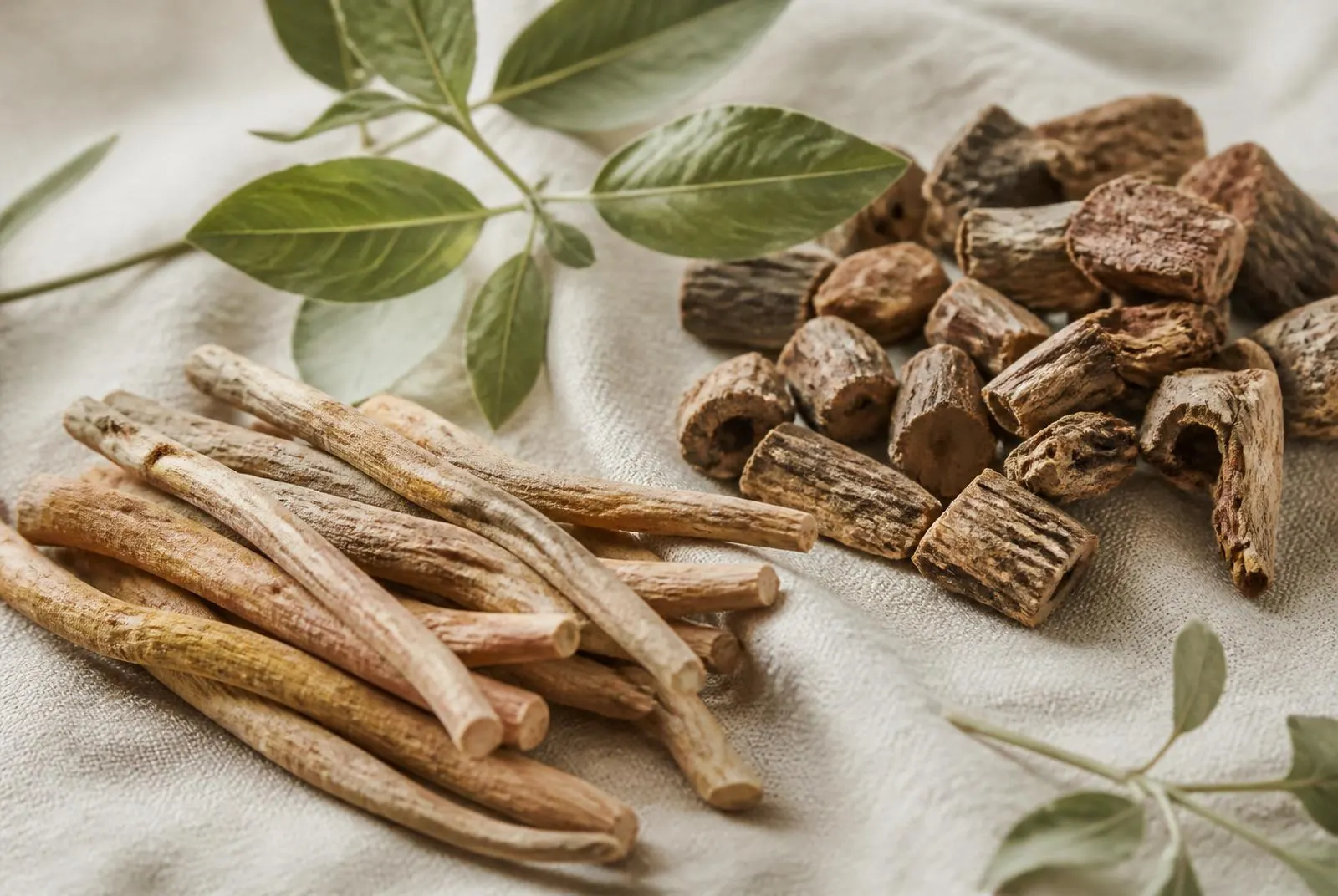
Adaptogens are plants studied for a specific ability: helping the body adapt to stress rather than react to it. They don't stimulate like caffeine, and they don't sedate like alcohol. They restore balance.
Rhodiola Rosea - Endurance Under Pressure
- Reduces cortisol during intense mental or physical stress.
- Improves stamina and reduces fatigue.
- Works fast - noticeable effect within days.
Who uses it: high-performers, athletes, and anyone in demanding roles.
Ashwagandha - Deep Calm and Recovery
- Lowers chronic cortisol and eases anxiety.
- Improves sleep quality and overnight recovery.
- Supports testosterone and reproductive health.
Who uses it: people with poor sleep, high stress, or ongoing burnout.
Bacopa Monnieri - Long-Term Cognitive Support
- Improves memory and learning over weeks of use.
- Reduces anxiety and mental fatigue.
- Protects neurons from oxidative damage.
Who uses it: students, professionals, and anyone doing sustained mental work.
How Adaptogens Actually Work
Adaptogens act on the hypothalamic-pituitary-adrenal (HPA) axis - the system that governs stress response. Instead of pushing you up or down, they smooth the curve: less spike, less crash, more sustained function. That's why they feel subtle at first but powerful over weeks.
Adaptogens don't turn off stress. They teach the body to carry it - so burnout becomes a choice, not a destination.


%20(1).jpg)